The order, and why it is that order
Nozzle height first, because every measurement afterwards is taken from a part sitting on the plate. Then extrusion, so the printer pushes the length of filament it thinks it does. Then flow, so the amount landing in a wall matches the model. Temperature last, because it changes how the plastic behaves and would invalidate anything tuned before it.
Work upwards and each step stays true. Start with temperature and you will retune it after the first layer moves.
What a calibration cube actually tells you
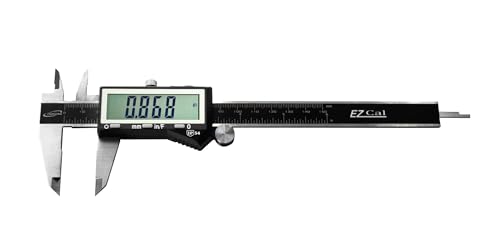
A 20mm cube is a measuring reference, not a quality test. Print it, measure X, Y and Z with calipers, and compare against 20mm. It reports whether the machine is putting material where it says, and nothing else.
It will not tell you about overhangs, bridging, retraction or surface finish, and a cube that measures perfectly can still print a poor part. Treat a good cube as a licence to move on rather than as a result.
A cube reading consistently oversized usually means over-extrusion or a squashed first layer lifting the whole measurement, not a machine that needs its steps changed.
Extrusion and flow are different problems
Extrusion calibration, often called e-steps, asks whether the extruder moves the length of filament it was told to. Mark the filament, ask for 100mm, measure what was actually pulled in. It is a mechanical count and it is either right or it is not.
Flow, sometimes called extrusion multiplier, asks whether the volume landing in a wall matches the slicer. Print a single-wall object, measure the wall with calipers, and compare against the nozzle width the slicer used. A wall consistently thicker than asked for is over-extrusion.
Doing flow before e-steps means correcting a volume error with a multiplier that is hiding a mechanical one, and the error comes back the moment a different material goes in.
Elephant foot is a setting, not a fault
The first layer or two splaying outwards is elephant foot. It happens because the first layer is deliberately squashed into the plate and the plastic has nowhere to go but sideways, and it is worse when the plate is hot and the nozzle is low.
Most slicers carry a first-layer horizontal compensation or elephant-foot setting that shrinks the bottom layers to cancel it. That is the correct fix. Raising the nozzle to make it go away trades a cosmetic problem for an adhesion problem, and adhesion is the harder of the two to live with.
It matters more than it looks: a base flared by a couple of tenths is exactly the amount that stops a part sitting flat in an assembly.